
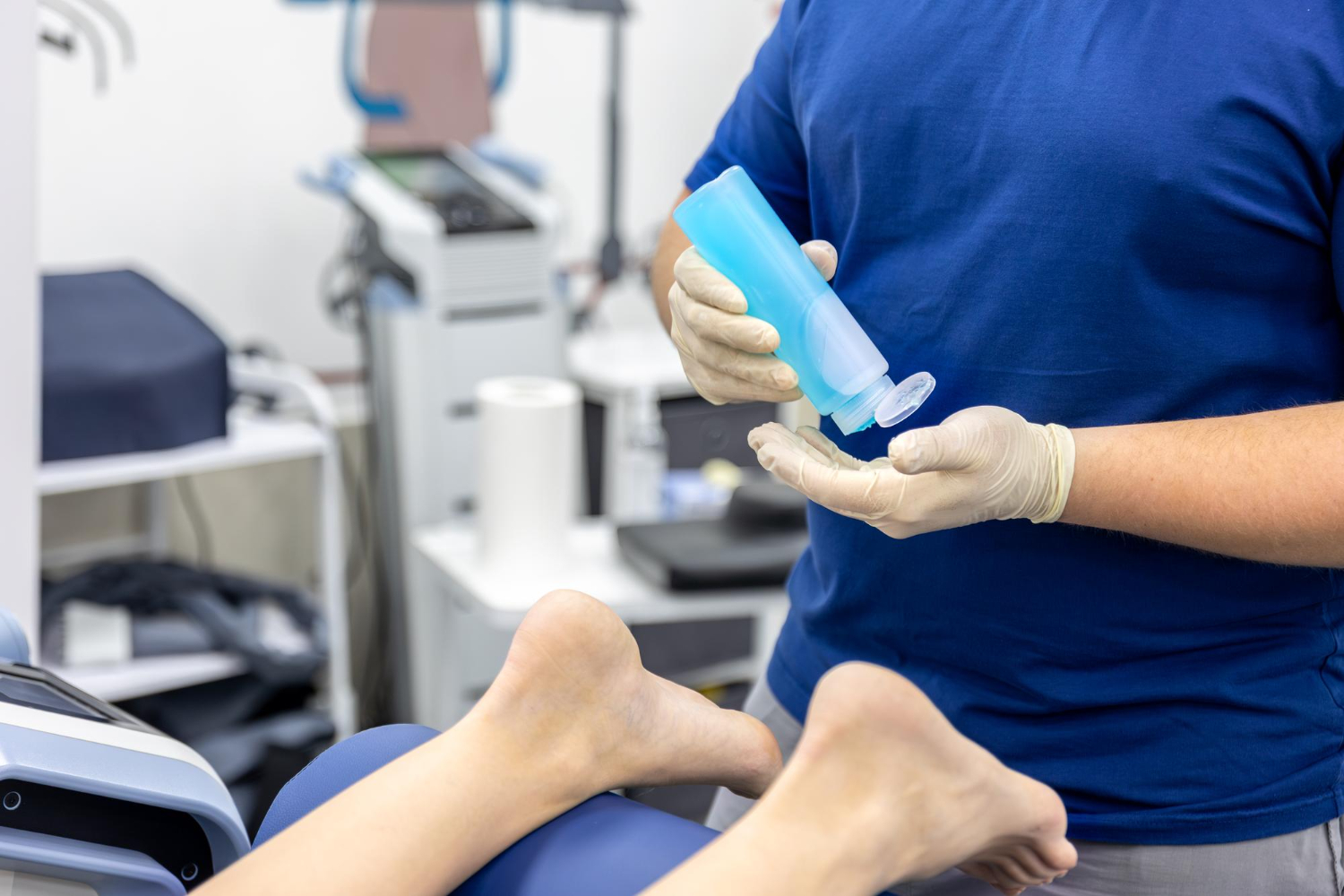
Feet hardly get attention until something starts to hurt. A bit of pressure here, a sharp twinge there. You ignore it. Most people do. Then walking feels different. Shoes don’t sit right. Even standing for too long becomes tiring.
At that point, sorting it out matters more than putting it off. For many, especially older adults, travelling to a clinic is not always easy. That is where mobile foot care comes in. No waiting rooms. No long journeys. Just proper care, done at home, at a pace that feels comfortable.
Foot health affects more than comfort. It shapes how you move, how steady you feel, and how confident you are on your feet.
When small issues are ignored, they tend to grow into bigger ones. A thick nail can lead to pressure. Dry skin can split. Something minor can quietly turn into something painful.
Mobile foot care removes that gap between noticing a problem and getting it treated. It is straightforward. Consistent. And for many people, it is the only practical way to stay on top of things.
For older adults, mobile foot care for seniors plays an even bigger role. Regular visits help keep things stable, which makes everyday movement easier and safer.
Nails can change over time. They thicken, become brittle, and stop responding to regular trimming.
Trying to cut them at home may cause discomfort or uneven cuts. Professional treatment maintains their cleanliness and minimizes stress within the shoes.
Skin hardens where there is constant friction. It is the body’s way of protecting itself, but it does not always help.
Leave it too long and walking starts to feel uncomfortable. Removing that build-up properly makes a noticeable difference almost straight away.
An ingrown nail can go from mild irritation to real pain quicker than expected. It presses into the skin, causing redness and swelling. Handling it early keeps things simple. Left alone, it tends to get worse.
Discolouration. Thickening. A change in texture. Fungal infections do not always cause pain at first, which is why they are easy to ignore. Treatment keeps them under control and stops them spreading further.
Skin on the feet takes a lot of pressure. When it dries out, cracks begin to form, often around the heel.
Some stay small. Others deepen and become painful. Smoothing the skin and restoring moisture helps prevent that cycle.
It starts with itching or peeling skin. Sometimes between the toes, sometimes across the sole.
Without proper care, it tends to linger or come back. Managing it properly keeps the skin healthy and reduces irritation.
Certain areas of the foot take more weight than others. Over time, that pressure builds up.
You feel it when walking, standing, even resting. Identifying those spots and easing the strain can change how the foot feels day to day.
For people living with diabetes, foot care is not optional. It needs attention. Small cuts or unnoticed changes can lead to serious problems if left unchecked. Regular visits through mobile foot care for seniors help keep a close eye on things, which brings peace of mind.
Nails do not necessarily grow as they should. They can change shape due to injury, pressure, or long-term conditions. Their maintenance is important to relieve pain and avoid complications.
Not every visit is about fixing something. In some cases, it is an issue of being ahead. Regular foot care is as simple as keeping feet in condition through regular maintenance. It prevents small-scale problems from becoming something requiring further consideration in the future.
Consistency changes everything. When care becomes part of a routine, problems are easier to manage and often easier to avoid altogether.
There is also something to be said for comfort. Being treated at home feels more relaxed. No rushing. No waiting. Just focused care in a familiar space.
For many people, especially older adults, mobile foot care becomes part of everyday wellbeing. It supports independence without making a big deal of it.
Foot problems do not usually fix themselves. They linger, build up, and slowly affect how you move and feel. Taking care of them early keeps things simple.
Mobile foot care offers a practical way to do exactly that. It also takes professional assistance to the home and it becomes less stressful being able to remain at home and move around without any extra pressure.
Fabulous Foot Care provides at-home assistance that is reliable and personalized to individual requirements and needs, allowing you to keep comfortable without making it complex.
Most people find every 4 to 8 weeks works well, though it depends on individuals requirements also.
Not at all. Anyone who finds it difficult to manage foot care or travel can benefit.
Yes. Keeping up with basic maintenance often stops small issues from developing further.
Nails are trimmed, skin is checked and treated, and any concerns are addressed in a calm, unhurried setting.