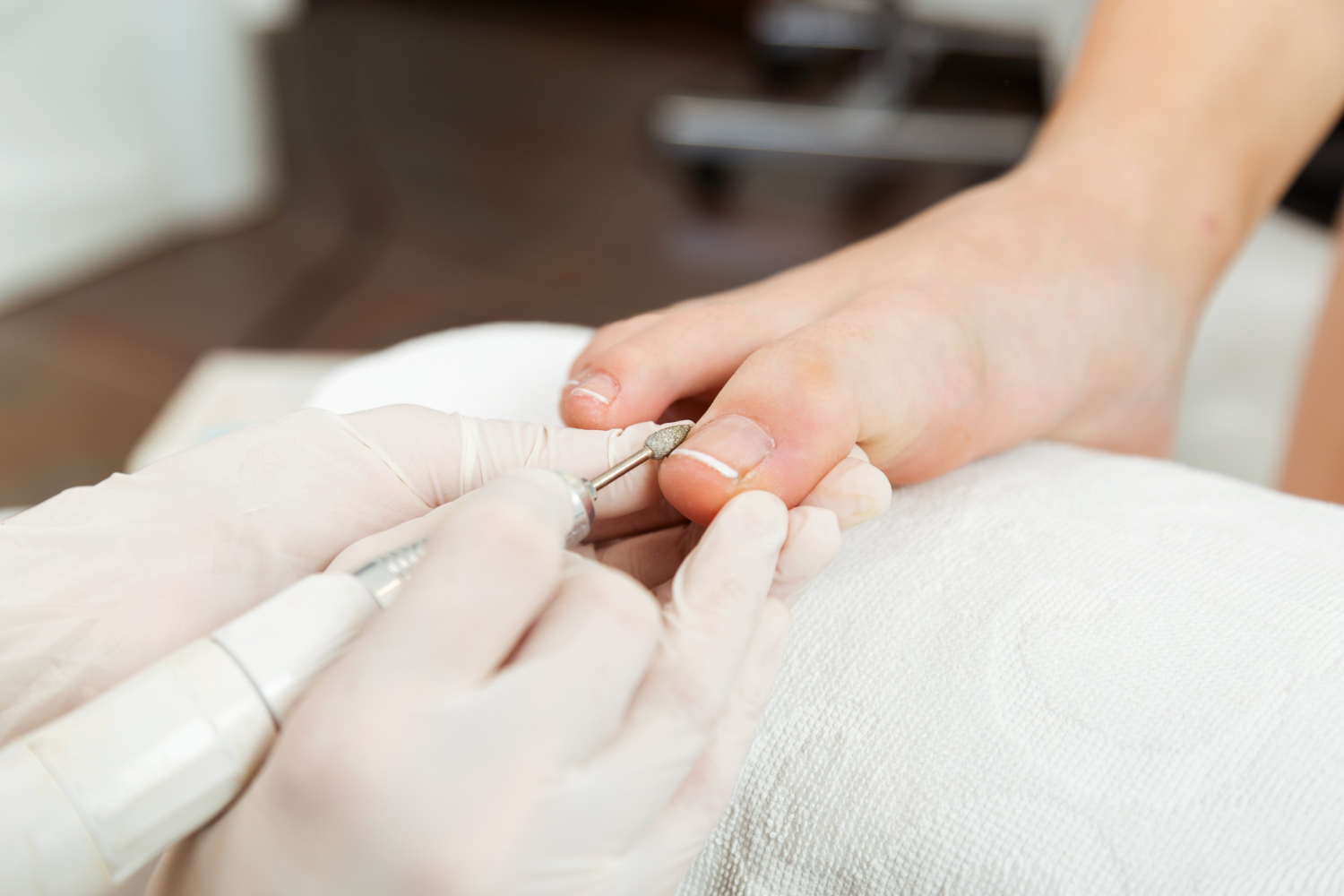
A sore toe does not sound like a big deal until every step starts reminding you about it.
That sharp sting at the edge of the nail usually begins quietly. Maybe your shoes feel tighter than usual.
Maybe the skin beside the nail looks a little red after a long day. Then the swelling kicks in. Walking becomes annoying. Trainers suddenly feel unbearable.
Ingrown toenails have a habit of getting worse when ignored. At Fabulous Foot Care, foot care professionals regularly treat painful nail problems for people dealing with swelling, recurring discomfort, and infections that simply will not settle on their own.
The nail edge starts pushing into the surrounding skin instead of growing straight forward. Most cases affect the big toe, though smaller toes are not completely safe either.
Once the nail digs in, the skin reacts almost immediately. Pressure builds. The area becomes tender. If bacteria gets into the broken skin, infection can follow pretty quickly.
Some people are more likely to deal with the problem than others. Curved nails, thick nails, sweaty feet, sports activity, and tight footwear all play a part. Poor nail cutting habits sit near the top of the list too.
Ingrown nails do not usually appear overnight. The body gives warning signs first. Pain along one side of the nail tends to show up early. Some notice swelling after wearing work shoes all day. Others feel discomfort when bed sheets touch the toe at night.
Redness around the nail, tenderness when pressure is applied, swelling, throbbing pain while walking, and warmth near the nail edge are all common signs. In more advanced cases, fluid or pus may appear and the surrounding skin can begin growing over part of the nail.
Once infection develops, things can escalate fast. Even a short walk may become uncomfortable.
People with diabetes should not leave symptoms unchecked. Small foot issues can turn serious much faster when circulation or healing is affected. That’s why it’s important to go for professional Ingrown toenail treatment.
Most people unknowingly create the problem themselves. Cutting nails too short changes the way the nail grows back. Rounded corners make it even worse because the edge starts curling into the skin as it grows. Straight trimming usually helps prevent that.
Shoes cause trouble as well. Narrow footwear squeezes the toes together all day long. Add walking, running, or standing for hours and the pressure becomes constant.
A damaged nail can also grow differently after injury. Athletes deal with this quite a bit, especially runners and football players who repeatedly hit the front of their shoes.
Age changes nails too. They often become thicker and harder to trim properly over time, which explains why older adults commonly struggle with recurring nail pain.
Warm water soaks may calm irritation for a short while. They do not fix the actual problem if the nail continues pressing into the skin.
People often make things worse by trying to dig the nail out themselves. Sharp tools, aggressive trimming, or pulling at the corner usually leads to more swelling and sometimes infection.
That cycle repeats more than most realise. Professional help makes sense once pain lingers, swelling increases, or the toe becomes difficult to manage comfortably at home.
Treatment will vary depending on the severity of the foot issue. Milder cases may require only the careful care of the nails and the relief of pressure. In more persistent infections, there are systems available that can be used to take the nail to a more healthy shape as it grows.
Fabulous Foot Care provides individualised care instead of a “one size fits all” approach. Another treatment option provided in the clinic is the non-surgical nail correction system that will help to reshape the problematic nails.
You don’t just want to treat your ingrown nails for a few days to make them feel better; you want to enjoy them for the rest of your life. The actual aim is not to prevent the problem from coming back again and again. That part matters.
A few basic changes often prevent future problems. Trim toenails straight across instead of curving the edges. Leave a little length rather than cutting them extremely short. Shoes should give the toes enough room to move naturally instead of pressing them together.
Simple enough, but most people ignore those habits until pain forces them to pay attention.
Regular foot care appointments also help people who struggle to manage their nails safely on their own, especially seniors or anyone with reduced mobility.
Ingrown toenails will not improve by themselves once inflammation sets in. There is generally more swelling, discomfort and risk of infection when waiting.
Early diagnosis may make treatment easier and help to get relief sooner. If you have continual toe pain, swelling or recurring nail issues, contact Fabulous Foot Care for professional ingrown toenail treatment and custom foot care support in Calgary.
Very mild cases sometimes settle if pressure is removed early. Once swelling or infection begins, professional care is usually the safer option.
Treatment is generally very comfortable in most conservative treatments, and when treated early there is less discomfort when it comes to more severe cases.
Repeat problems frequently occur because of improper nail trimming, tight fitting shoes and the natural curvature of the nails.
Yes. If left untreated, infection may penetrate through the skin into the surrounding skin, especially for those with diabetes or circulation problems.
Our new clinic is now open inside Revital Physio & Massage Legacy.
Same trusted foot care from Mayur — now closer to you in south Calgary.